Farmington Historic Home
Farmington Historic Plantation
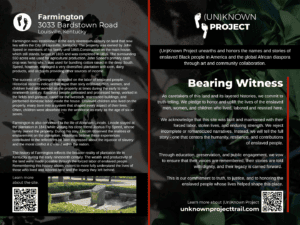
Farmington was established in the early nineteenth century on land that now lies within the City of Louisville, Kentucky. The property was owned by John Speed or members of his family until 1865.Construction on the main house, which still stands, began in 1815 and was completed in 1816. The surrounding 550 acres was used for agricultural production. John Speed’s primary cash crop was hemp which was used for bundling cotton raised in the deep South. Speed, however, managed a very diversified plantation with corn, dairy products, and orchards providing other sources of income.
The success of Farmington depended on the labor of enslaved people. Historical records indicate that more than sixty enslaved men, women, and children lived and worked on the property at times during the early to mid-nineteenth century. Enslaved people cultivated and processed hemp, worked in the fields and gardens, cared for the livestock, maintained buildings, and performed domestic labor inside the house. Enslaved children also lived on the property, many born into a system that shaped every aspect of their lives. Often, children were absorbed into the workforce as early as the age of six or seven.
Farmington is also connected to the life of Abraham Lincoln. Lincoln stayed at the plantation in 1841 while visiting his close friend Joshua Fry Speed, whose family owned the property. During his stay, Lincoln observed the realities of enslavement on the plantation. Historians believe these experiences contributed to the reflections he later expressed about the injustice of slavery and the moral conflict it created within the nation.
The history of Farmington reflects the broader reality of plantation life in Kentucky during the early nineteenth century. The wealth and productivity of the land were made possible through the forced labor of enslaved people. Remembering this history allows visitors to more fully understand the lives of those who lived and labored here and the legacy they left behind.